

Common Conservatory Mistakes Homeowners Make
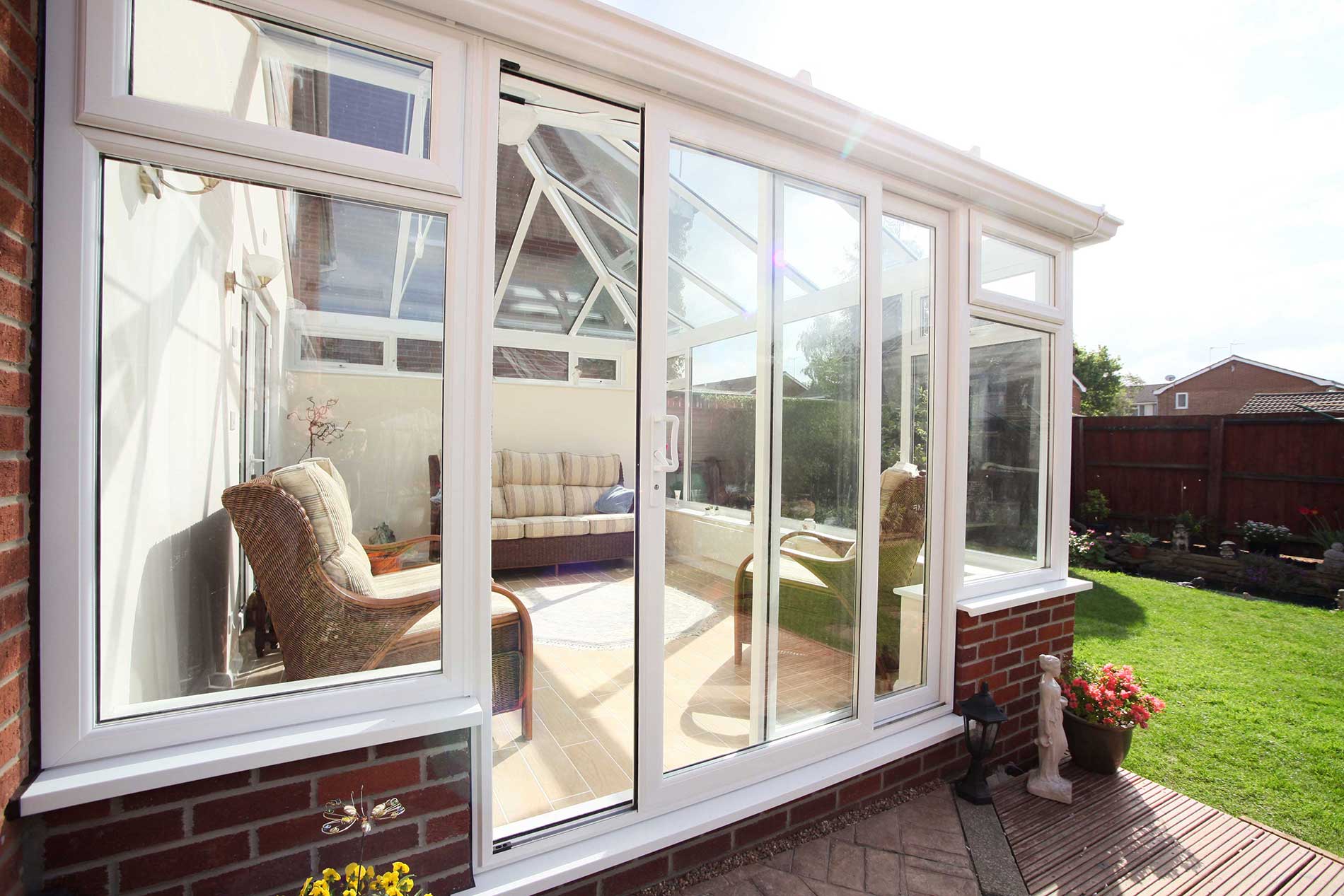
A conservatory can transform your home, bringing in natural light, creating extra living space, and enhancing your connection to the outdoors. But without careful planning and the right design choices, it can quickly become an underused or uncomfortable room. In fact, many UK homeowners report similar frustrations with their conservatories, often due to avoidable mistakes made during the design and installation stages.
If you’re considering a bespoke conservatory, understanding these common pitfalls can help you create a space that’s both beautiful and practical year-round.
1. Ignoring Temperature Control
One of the most frequent complaints is that conservatories are too hot in summer and too cold in winter. This typically comes down to poor insulation, outdated glazing, or low-quality roofing materials.
Glass-heavy structures naturally amplify temperature extremes, and without modern glazing solutions or proper insulation, the room can become unusable for much of the year. High-performance glass, insulated roofing systems, and ventilation planning are essential to maintaining a comfortable environment in all seasons.
2. Choosing the Wrong Orientation
The position of your conservatory in relation to the sun plays a major role in how the space feels throughout the day. Many homeowners overlook this during planning, leading to issues like excessive glare, overheating, or lack of natural light.
For example, a south-facing conservatory may receive intense sunlight, while a north-facing one can feel cooler and dimmer. A bespoke design allows you to tailor glazing, shading, and layout to suit your home’s orientation—something off-the-shelf solutions often fail to address.
3. Poor Ventilation Planning
Ventilation is often an afterthought, yet it’s critical for comfort. Without it, conservatories can quickly become stuffy, humid, and prone to condensation.
Roof vents, opening windows, and integrated airflow systems help regulate temperature and reduce moisture build-up. This not only improves comfort but also protects your furnishings and structure from long-term damage.
4. Going Too Small (or Too Big)
Size matters more than many homeowners expect. A conservatory that’s too small can feel cramped and impractical, while an oversized one may overwhelm your garden or disrupt the balance of your home.
The key is to design the space around how you plan to use it, whether that’s dining, relaxing, or working. A bespoke approach ensures the proportions align with both your lifestyle and your property.
5. Choosing Cheap Materials
Trying to cut costs upfront often leads to higher expenses later. Low-quality materials, especially roofing or glazing, can result in leaks, poor insulation, and frequent repairs.
Common issues like water ingress, misted glass, and worn seals are often linked to substandard construction. Investing in high-quality materials from the outset ensures durability, energy efficiency, and long-term value.
6. Overlooking Design Integration
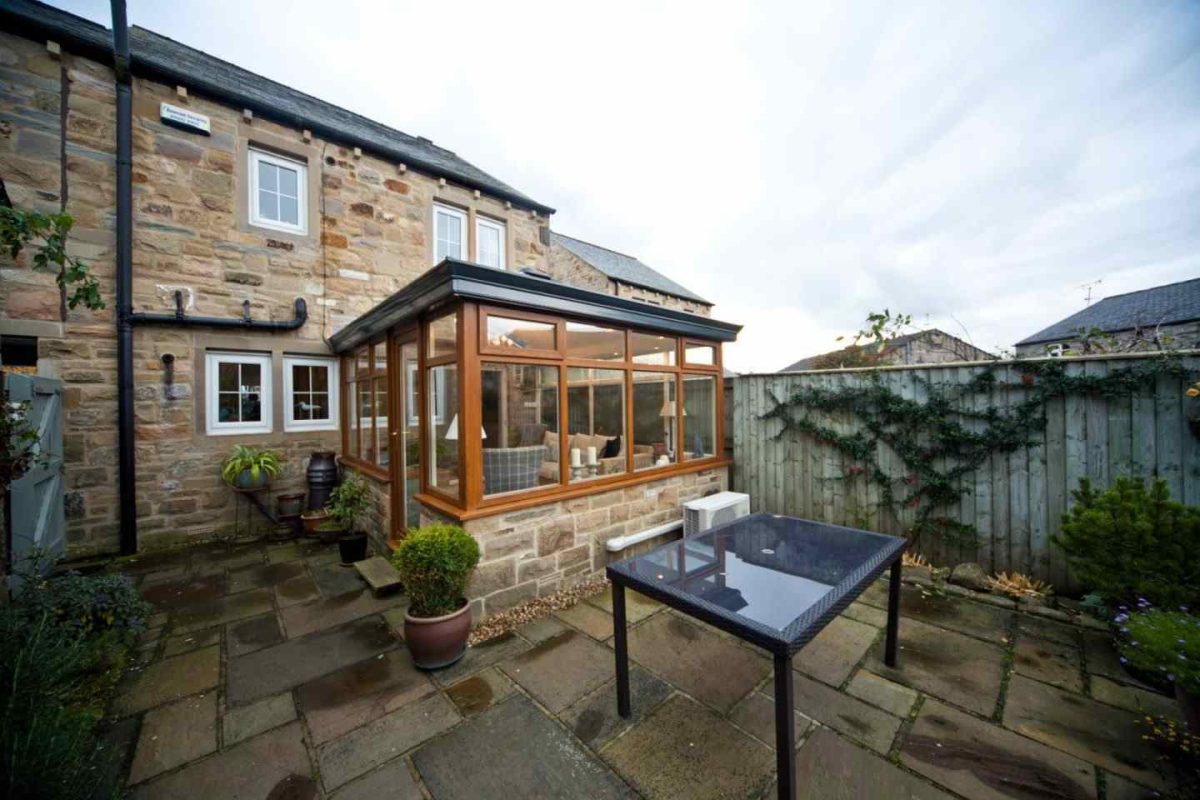
A conservatory should feel like a natural extension of your home, not an afterthought. Unfortunately, many homeowners choose designs that clash with their property’s architecture.
This can affect both aesthetics and property value. A bespoke conservatory design considers materials, proportions, and style to create a seamless transition between indoor and outdoor spaces.
7. Neglecting Flooring and Interiors
Interior choices are just as important as the structure itself. Materials that work well inside your home may not perform in a conservatory environment due to temperature fluctuations and sunlight exposure.
For example, certain flooring types can warp or fade over time. Durable, heat-resistant materials, combined with thoughtful furniture and layout, help ensure the space remains functional and visually appealing.
8. Forgetting About Maintenance
Even the best conservatories require ongoing care. Blocked gutters, worn seals, and ageing components can lead to leaks, condensation, and structural issues if left unchecked.
Regular maintenance not only extends the lifespan of your conservatory but also keeps it performing at its best. Planning for this from the outset can save time, money, and frustration later on.
Get in Touch
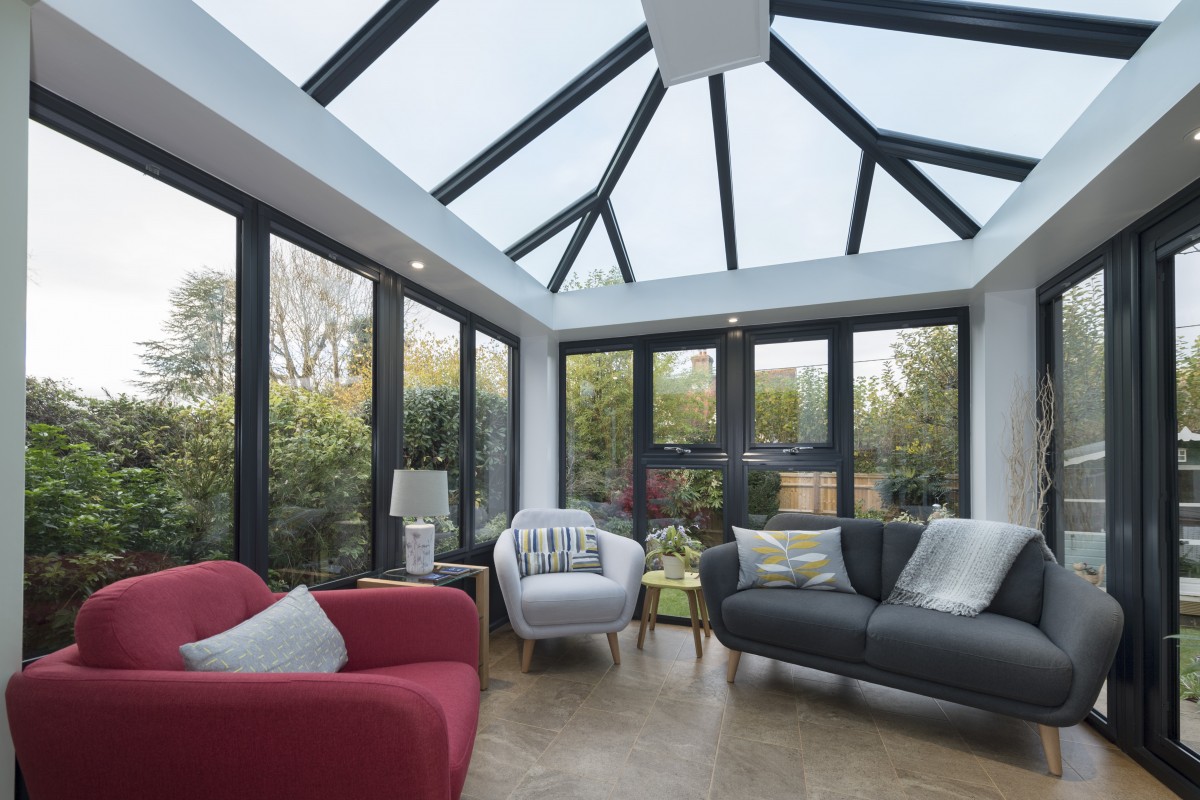
A conservatory should be a space you enjoy every day, not one that’s too hot, too cold, or simply unused. The most common mistakes homeowners make often stem from poor planning, low-quality materials, or a lack of customisation. By investing in a bespoke design, you can avoid these pitfalls and create a conservatory tailored to your home, lifestyle, and the British climate. The result? A comfortable, stylish, and truly usable extension that adds lasting value to your property.
Get in touch with our team today, or get a free quote to start your next home improvement.

In his spare time he follows Norwich City and has a season ticket at Carrow Road. He also enjoys the gym, chess, red wine, theatre and walks with his Bullmastiff, Daisy!
- How to Choose the Perfect Conservatory for Your Home in Northampton - 23 September 2026
- Keep Your Conservatory Cool During Hot Weather in Hitchin - 24 August 2026
- How to Keep Your Bletchley Conservatory Cool This Summer - 17 July 2026