

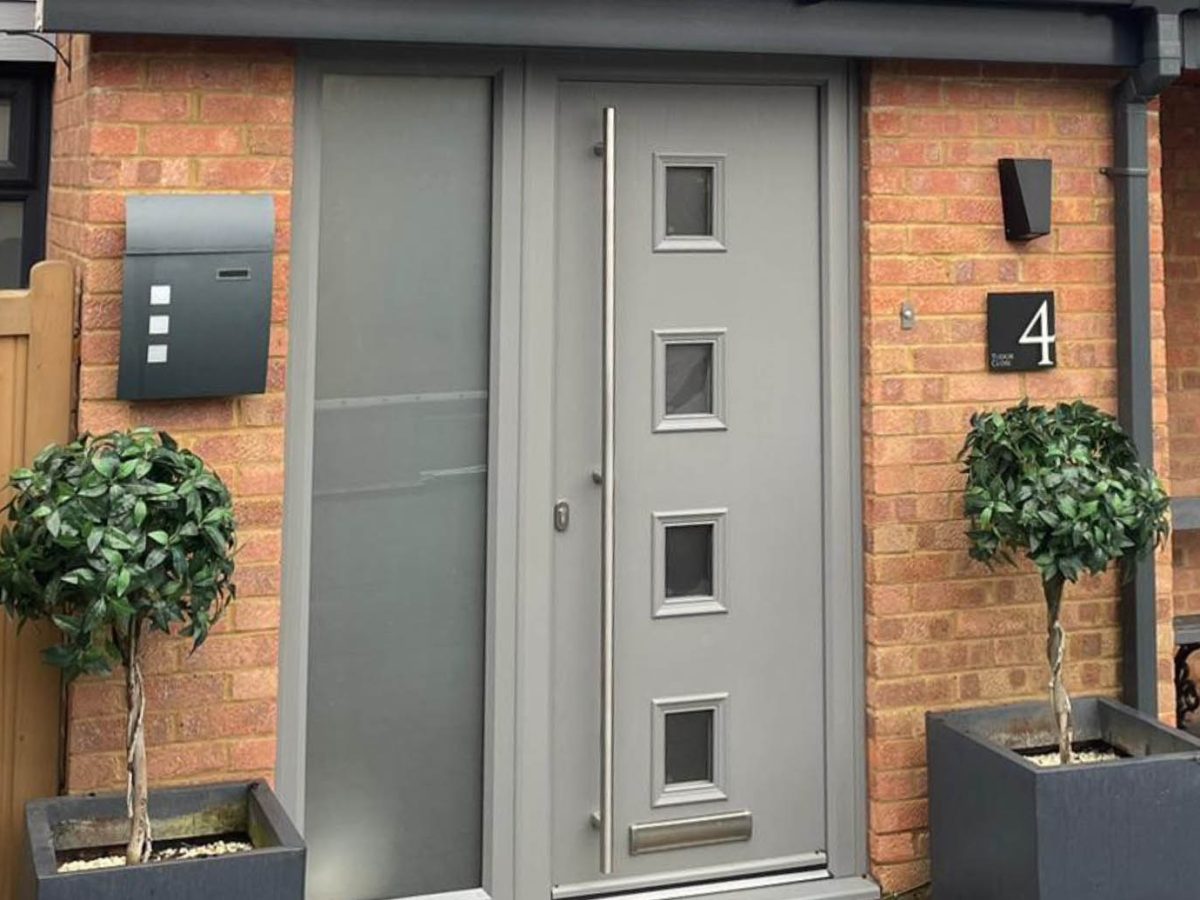
Composite or uPVC Front Door: Which Should You Choose?
Your front door has an important job to do. It should suit the character of your property, help retain warmth, provide everyday security and stand up to the British weather. When it is time for a replacement, many homeowners find themselves choosing between a composite door and a uPVC front door.
Both options offer practical benefits, a wide choice of styles and far less upkeep than a traditional timber door. The right choice comes down to the look you want, your budget and how you use your entrance.
What Is a Composite Front Door?
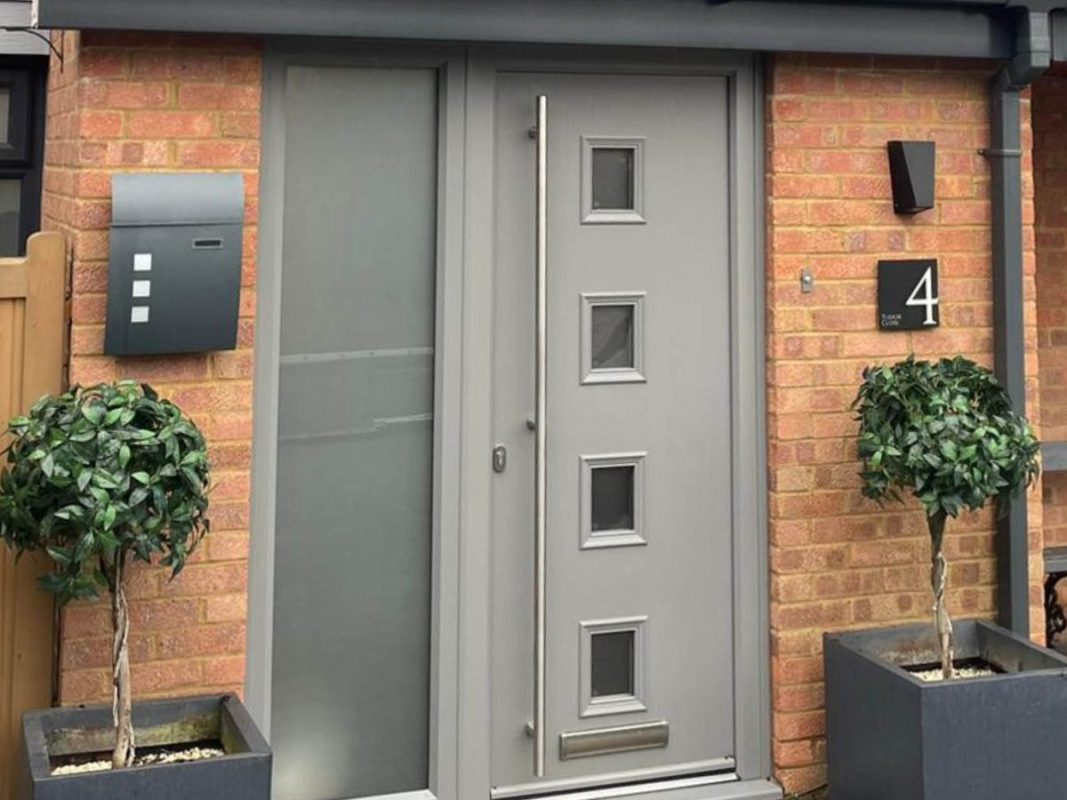
A composite door is made from several materials, brought together to create a strong and substantial entrance door. Our composite doors are designed to offer the appearance of a traditional timber door while avoiding the regular painting and maintenance associated with wood.
The construction of a composite door gives it a solid feel when opening and closing. This makes it particularly popular with homeowners who want a statement entrance, whether their property is traditional, contemporary or somewhere in between.
There is plenty of scope to make the design your own. Composite doors are available in a range of colours, panel designs, glazing options and hardware finishes. You may prefer a classic door with decorative glass, a bold modern colour, or a more understated design that works with existing windows and brickwork.
The thicker construction can also help with thermal performance and noise reduction. A properly fitted composite door, with good seals around the frame, can help make the hallway feel more comfortable during colder months.
What Is a uPVC Front Door?
A uPVC front door is a dependable choice for homeowners looking for a practical, low maintenance entrance door. uPVC has been widely used for doors and windows for many years because it is durable, easy to look after and available at a more accessible price point than many alternatives.
Modern uPVC front doors are a far cry from the plain white styles people may remember. They are available in a selection of colours, woodgrain effects, panel layouts and glazed designs, making it easier to find a door that suits the front of your home.
uPVC does not need painting or varnishing. Routine care is simple, usually involving a wipe down with warm soapy water and occasional checks of the hinges, handles and locking mechanism. This makes it a sensible option for busy households and rental properties alike.
Like composite doors, uPVC doors can include decorative or obscured glass to bring more daylight into your hallway while maintaining privacy.
Comparing Appearance and Design Options
Composite doors are often chosen for their detailed, timber inspired appearance. The moulded door skin can recreate the look of traditional door styles, including grained finishes and deeper panel detailing. If your property has period features or you would like the front entrance to have a heavier, more traditional feel, this may appeal.
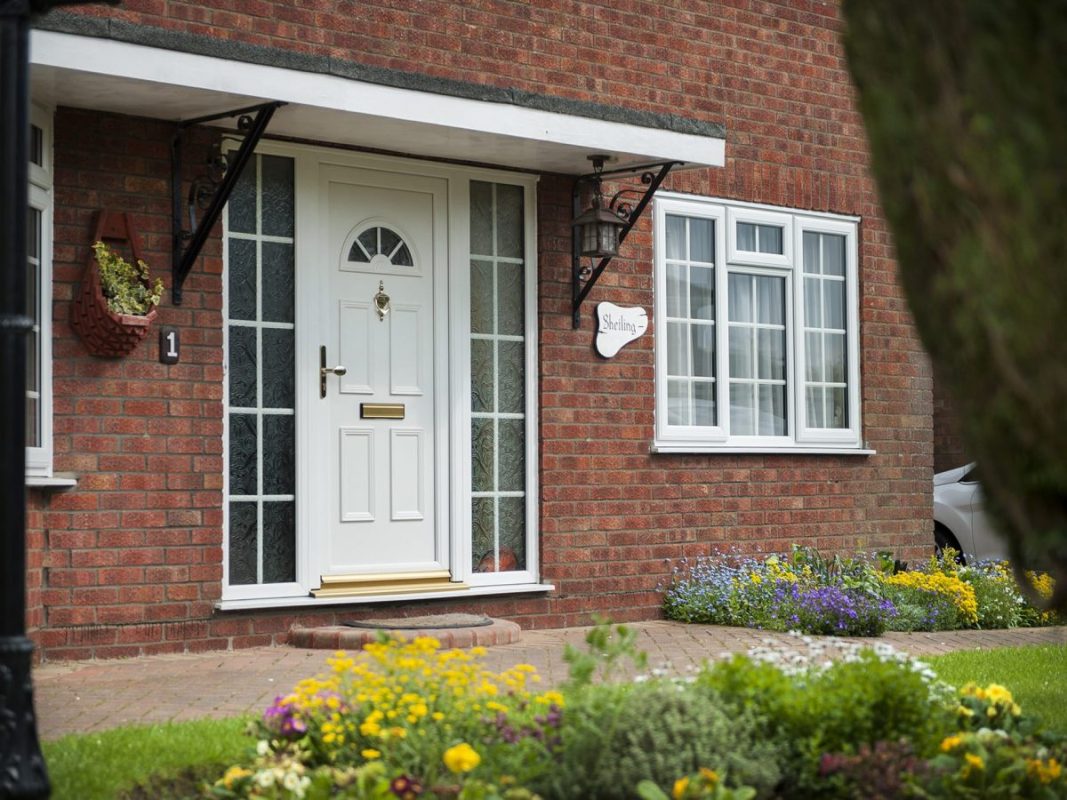
uPVC doors can be equally suitable for a range of homes, particularly where a clean, coordinated appearance is the aim. Matching your new door to uPVC windows, fascias or conservatory frames can create a consistent look across the exterior of the property.
Whichever material you choose, think about the surrounding details. The colour of your brickwork, existing window frames, porch, door furniture and glazing can all influence the final result.
Security and Everyday Use
Security should be considered alongside appearance. Both composite and uPVC front doors can be fitted with modern locking systems and secure hardware. The final level of security depends on the door specification, frame, lock, hinges and professional installation.
Composite doors generally have a weightier feel, which some homeowners prefer. uPVC doors are lighter in operation and can be an excellent practical choice for daily use. In either case, it is worth discussing the locking options available for your preferred design before making a decision.
Maintenance and Long Term Care
Neither option requires the ongoing attention needed by a timber door. Composite doors are designed to resist weathering and should only need occasional cleaning to keep them looking their best. uPVC front doors also need very little maintenance, with cleaning and simple care helping to preserve their appearance.
It is sensible to avoid abrasive cleaners on either door type. Looking after the glass, hardware and seals will help keep your entrance functioning smoothly.
Choosing the Right Door for Your Home
A composite door may suit you if a solid feel, detailed design and timber style appearance are high on your list. A uPVC front door could be the right fit if you are looking for a versatile, low maintenance option that offers good value and a broad choice of designs.
There is no single answer for every home. At Custom Glaze, we can talk through your property, style preferences and practical requirements to help you compare the options. Get in touch today to discuss your new front door or get a quote for your project.

- Composite or uPVC Front Door: Which Should You Choose? - 19 October 2026
- Are Drafty Windows Costing You? - 2 December 2025
- Get Ready for Winter: How Your Windows Make All the Difference - 10 October 2025