


How Modern Glazing Helps Keep Homes Warm in Winter
When temperatures fall, older windows can make it harder to maintain a comfortable indoor temperature. Heat may escape through the glass, frames and gaps around poorly fitting openings, while cold surfaces can create uncomfortable draughts near the window.
Modern glazing is designed to reduce this heat loss. By replacing outdated or inefficient windows, homeowners may be able to use less energy to keep their property warm, depending on the condition of the home and how it is heated.
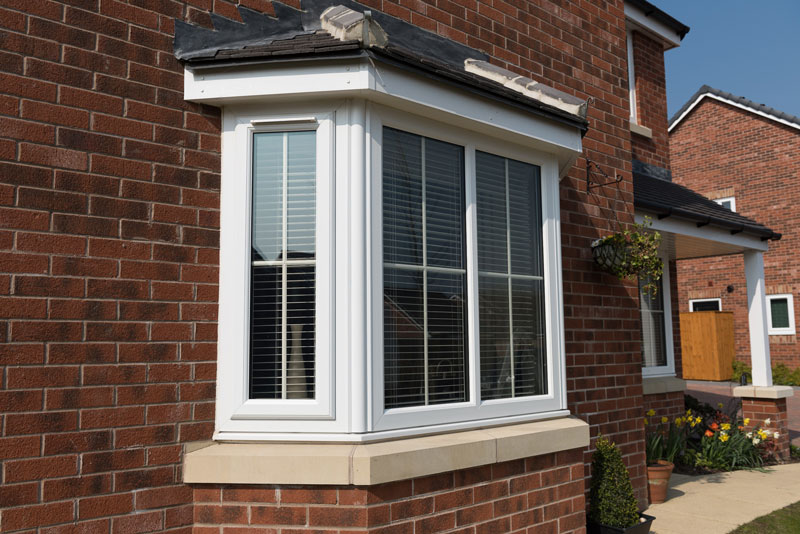
Why energy efficiency matters
Energy use remains an important consideration for UK households. The Department for Energy Security and Net Zero publishes Quarterly Energy Prices, which includes regularly updated information about domestic gas and electricity costs. Household bills are influenced by several factors, including unit rates, standing charges, the size of the property and the amount of energy used.
Reducing unnecessary heat loss may help homeowners manage their energy consumption. The UK Government also provides home energy efficiency guidance, including advice on improvements such as replacing windows and doors.
How modern glazing reduces heat loss
Single panes provide little resistance between a warm room and cold outdoor air. Modern double glazing uses two panes of glass separated by a sealed space. This space acts as an insulating barrier, slowing the transfer of heat through the window.
Some sealed units may contain an insulating gas and low emissivity glass. Low emissivity glass has a fine coating designed to reflect heat back into the room while still allowing natural light to enter. Warm edge spacer bars may also be used around the sealed unit to help reduce heat transfer at the edge of the glass.
The performance of a window is not determined by the glass alone. Frames, seals, hinges and installation quality all play a part. A well fitted replacement window may reduce unwanted air leakage around the opening, helping rooms feel less draughty during colder weather.
Choosing the right window style
At Custom Glaze, our window range includes uPVC and aluminium options in styles suited to different types of property. Casement windows offer a familiar and practical choice, while flush sash windows can provide a cleaner appearance. Sliding sash and tilt and turn designs may also suit particular architectural styles or practical requirements.
Modern uPVC frames use insulated chambers to help limit heat transfer. Aluminium windows can use thermally insulated frame designs to improve their performance compared with older metal windows. The right option will depend on your property, preferred appearance, ventilation needs and budget.
Our team can discuss the available glazing, frame and opening options, helping you compare products without overlooking the character of your home.
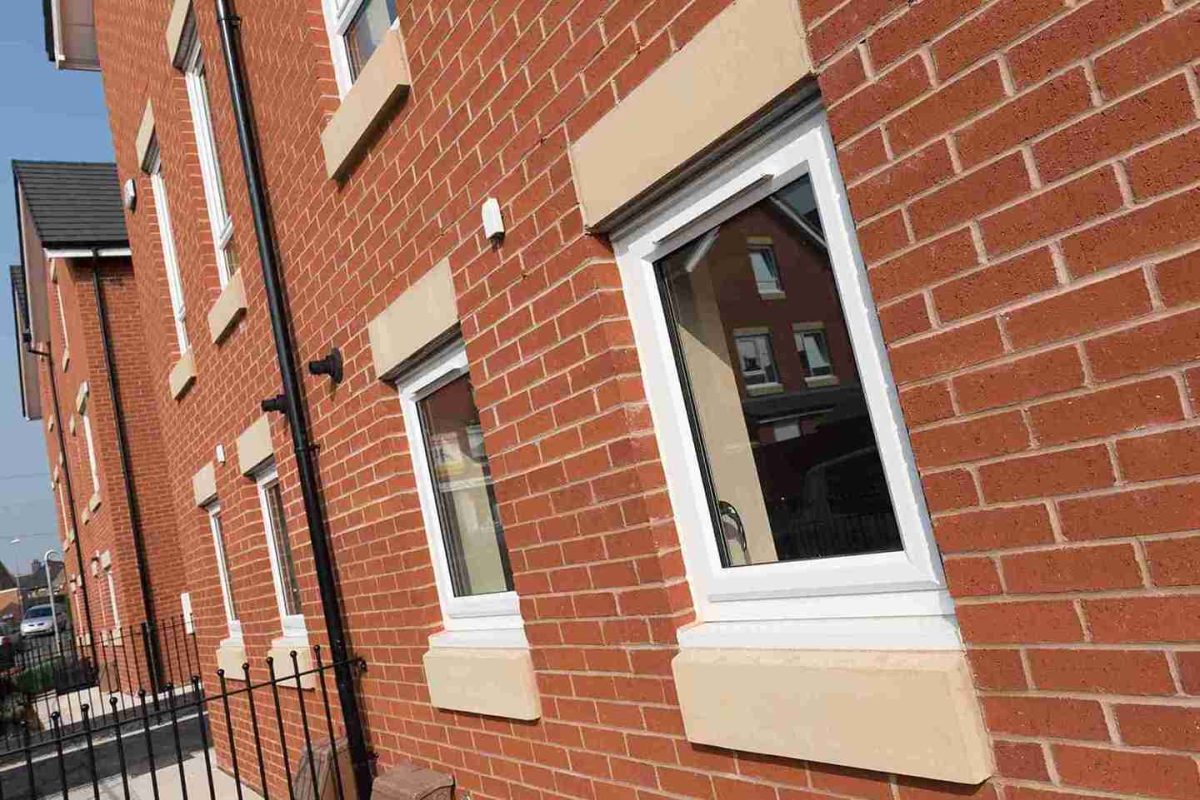
Comfort beyond lower energy use
Energy efficiency is an important reason to consider modern glazing, but it is not the only potential benefit. Better insulated glass can leave the inside pane feeling warmer, which may make the area around a window more comfortable in winter.
Modern glazing may also reduce condensation on the internal glass, although condensation can still be affected by ventilation, heating and indoor moisture levels. Opening windows when appropriate and using extractor fans in kitchens and bathrooms can support moisture control throughout the home.
Plan your window improvements with Custom Glaze
Every property loses heat differently, so there is no single glazing solution for every homeowner. The age of the existing windows, frame condition, property construction and installation all need to be considered before choosing replacements.
If your windows feel draughty, have damaged seals or are difficult to close properly, it may be worth exploring modern glazing. Get in touch with Custom Glaze to learn more about our replacement windows, discuss suitable options for your home or get a quote.

In his spare time he follows Norwich City and has a season ticket at Carrow Road. He also enjoys the gym, chess, red wine, theatre and walks with his Bullmastiff, Daisy!
- Why Does My Home Feel Cold Even with the Heating On? - 12 November 2026
- How Modern Glazing Helps Keep Homes Warm in Winter - 12 November 2026
- Composite or uPVC Front Door: Which Should You Choose? - 19 October 2026